
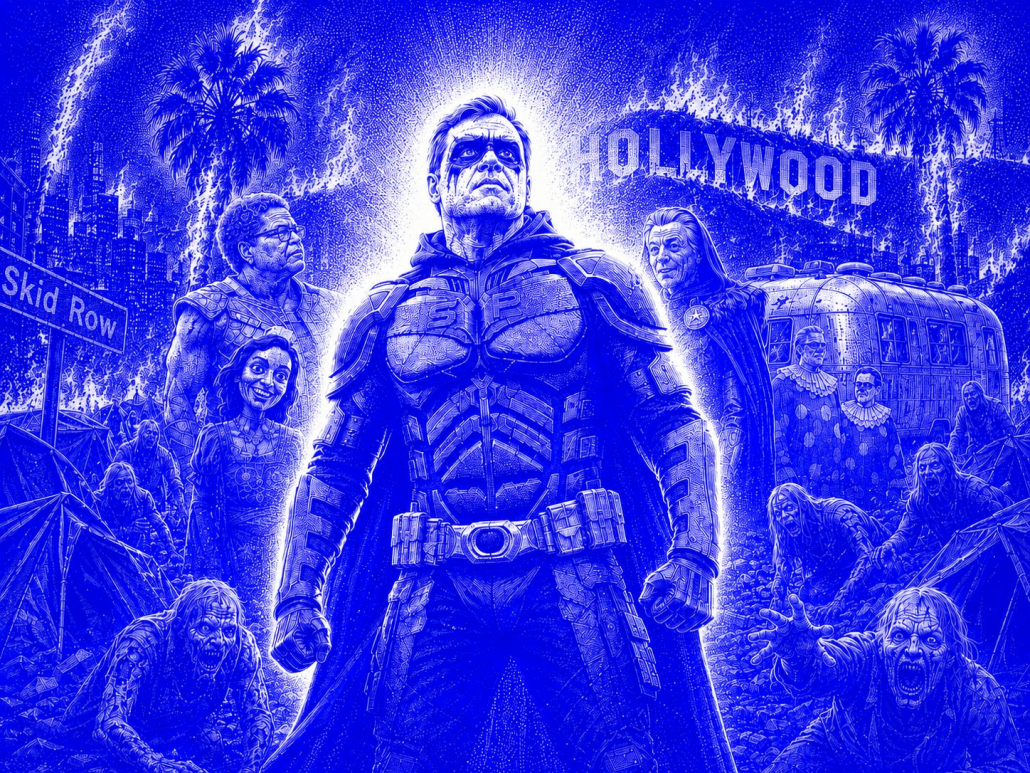
The Spencer Pratt Cinematic Universe
AI-generated fan content is disrupting the LA mayoral election. By now, you’ve seen the AI-generated shorts about Spencer Pratt: Pratt as Batman in a burning Los Angeles, Karen Bass as the Joker at a Versailles banquet and Newsom as the Star Wars Emperor. There have been more than 23 videos in the last three weeks, made by multiple independent creators.
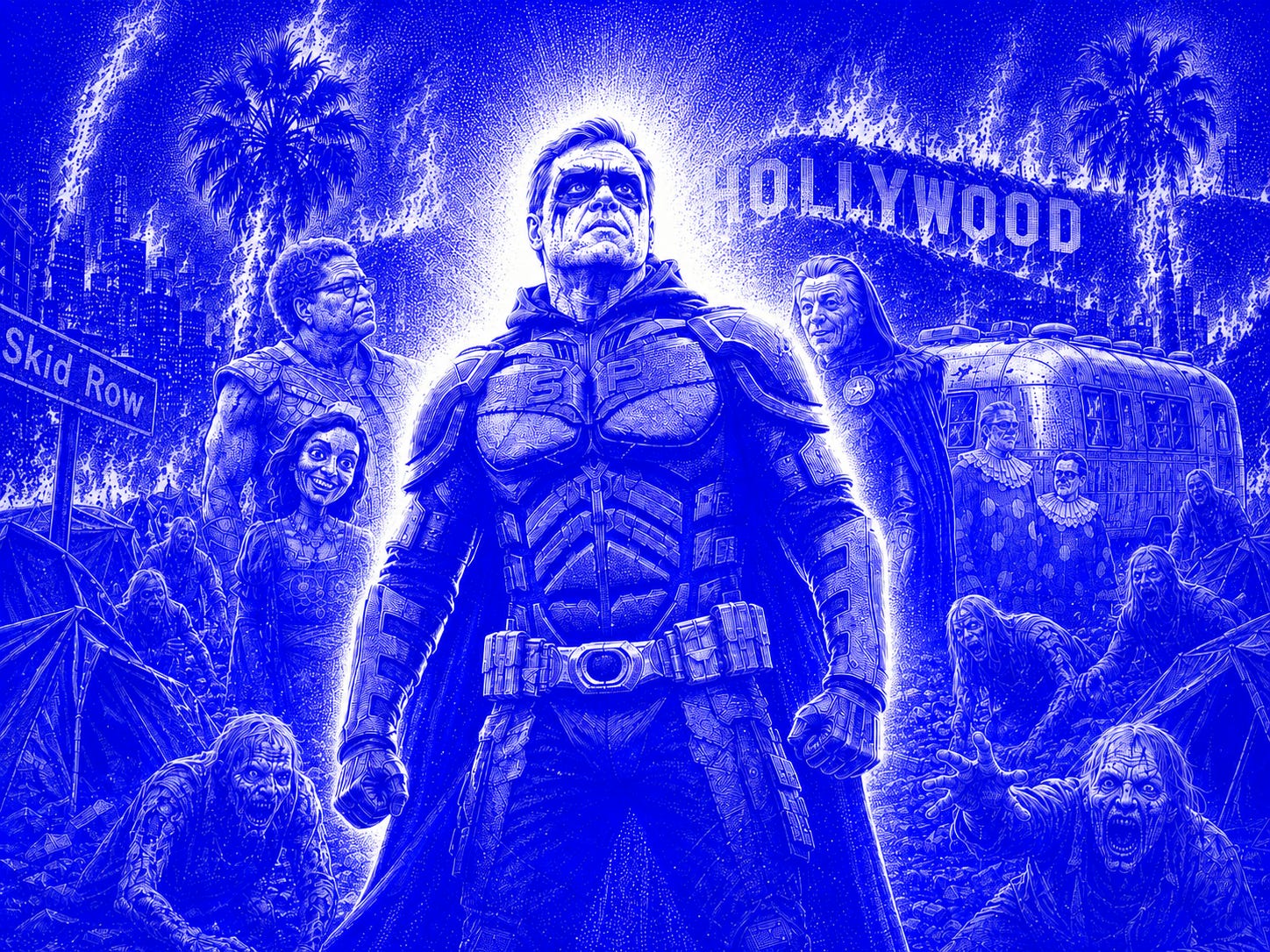
What’s resulted is a remarkably coherent cinematic universe with a hero and a villain, a founding catastrophe, memetic campaign promises, and a sticky mantra.
I met some of the scrappy team behind the viral content yesterday in DC. They are Los Angeles filmmakers, independently motivated by support for Pratt and a serious disdain for the status quo. Now they are shocked by their own success, surprised they have not been sued yet, and shopping for clients willing to pay for their ability to capture attention.
Whether you love or hate the videos, they show how political attention gets earned now.
Pratt is the hero
Pratt’s first viral hit, on April 29, established his hero’s origin story with real footage of him by the Airstream that now sits on the burnt remains of his Palisades home.
Days later, filmmaker Charles Curran and his team at Menace created the first viral AI-generated video with Karen Bass as the Joker and Pratt as Batman in a “let them eat cake” style showdown. According to a filmmaker affiliated with Menace who introduced himself to me as “G,” it took 24 hours to write the screenplay and only hours to create. The longest time was spent waiting for the scenes to generate.
In other AI videos, Pratt is Batman fighting through a burning downtown, an Avengers-style savior leading firefighters out of a wall of flame, a Jedi in a Star Wars episode, a Lego figure in an orange cape. Each scenario depicts unbeatable odds, and Pratt prevails in every one.
Karen Bass the villain
Pratt is not the first politician to recognize that defining a clear villain (and making himself the savior) is potent voter messaging. But he’s the first to benefit from using generative AI to do so vividly. Bass is cast as every villain under the sun. TBC casts her as a doomed wartime commander who will not leave her bunker. Gulicio makes her as a green-skinned arsonist gliding over a burning Hollywood sign.
Every villain has their henchmen
The rest of the Democratic establishment are Bass’s henchmen. Nithya Raman, Pratt’s actual electoral rival, is dismissed as a lying Pinnocchio-like puppet of the DSA. Gavin Newsom is the evil ringleader. Kamala Harris is a cackling courtier, often drunk. The DSA are masked secret police in tactical black.
The decaying city is the universe’s other antagonist. The homeless encampments, the needles, and the dumpster fires are the nuisance the henchmen have allowed to fester.
The messaging is strikingly consistent
The output is decentralized, but the message is not. “LA is Worth Saving” is the memetic phrase at the end of videos, and “LA is burning” has become a grassroots rallying cry. Five stories run through the more than 23 videos, each repeated across genres and creators. The city is burning. The establishment feasts while it burns. Pratt is the neighbor who actually lost something. Pratt is the one who will save it. And, you are not alone.
The decentralized universe enables the story to morph to reach different kinds of voters. Creator Gene Parmesan’s videos provide the permission structure for undecideds and Democrats to vote for Pratt. Pilates moms, Dodgers-cap dads, Latinos, women of color, all saying some version of “I never thought I’d vote for a Republican… but.”
The network has no center
Charlie Curran was commercial director before he moved to AI and is now running a four-person studio. Dami Sonoiki, posting as “Gene Parmesan,” makes the permission-structure videos. Apparently, Curran “showed him the pipeline” and that’s why his videos look so similar. TBC operates like a one-account television network, ranging from satire to a prestige-drama reconstruction of the morning of the fire. DumbFxckFinder splices live-action stunts with AI. Adam Scheidler from Tag Strategies—the firm that currently works on the Pratt campaign—created the viral Lego music video.
The deeper problem for Bass is that there is no single entity to fight. Rapid response needs a target, and the universe has no center. Legal action needs a defendant, and no money has changed hands that anyone can trace. California’s deepfake-disclosure laws are either enjoined in court or limited to a candidate’s own advertising, and these are not the candidate’s advertisements. The defense playbook was written for a world of paid spots from accountable committees, and that is not the world the race is being run in.
Satire is hard to go up against
The other reality show star turned politician figured this out a decade ago. When Bass called the satirical videos “violent” and “hateful” on CNN the other week, the charge came off as humorless. Pratt laughed it off, and so did much of the audience.
The future is earned attention
“G” described described Menace’s approach to going viral as newsjacking. They watch for something already moving through the culture and turn it into content relevant to their cause before the moment dies.
That was the origin of the Spirit video that they produced days before their first Pratt video. The closure Spirit Airlines was trending on X, Rubio was having his moment online, and they put the two together into a video fast enough to earn attention.
The same method is fueling the Pratt Cinematic Universe. Today, it’s easy to buy reach, but that doesn’t make you relevant. Just look at the labor coalition opposing Pratt who spent $221,000 on conventional digital ads that, by most accounts, helped him more than they hurt.
There’s a lesson here for every campaign. Your opposition doesn’t need to earn attention from nothing. They can take a trending story and use AI to cast you as the villain.


Leave a Reply
Want to join the discussion?Feel free to contribute!